
EarthNetwork.com

Building A Greener Future Together...



Building & Supporting A Conservative Green Movement...
Green Education For Changing The World In the 21st Century!
"When a group of individual minds are coordinated and function in harmony, the increased energy created through that alliance becomes available to every individual mind in the group" - Napoleon Hill
WORLD-WIDE ENVIRONMENTAL ISSUES
FOR THE 21ST CENTURY
Listed here in our website are just a few of the issues that we need to keep before the people of the Earth by Educating, teaching and learning them with Knowledge. Knowledge is indeed Power and Power can indeed result in solutions and strategies for the ultimate survival of us all. These issues must be addressed and done in a conservative and timely manner, to those who would listen and then act for the survival of all humanity and creatures on our God created globe.
Many of us who are aware, know that changes in air, water and soil quality: Human activity of burning fossil fuels, excessive tilling of land and extensive irrigational facilities and uncontrolled water pollution has tremendously shaken up the balance of the otherwise fragile ecosystems of our planet Earth. Land, air and soil quality has certainly degraded many parts of our planet. Ambitious and cautious steps should be taken to reduce global emissions. Alot of us also know that enormous quantities of potential top soil is eroded every year due to the lack of plant cover, owing to which the soil is more prone to degradation. Excessive usage of synthetic pesticides, indiscriminate use of fertilizers and over-exploitation of the land are some of the many primary reasons for soil being harmed in quality as well as quantity. Sea-water is threatened by oil-spills and industrial emissions from factories and urban industries that emit untreated waste matter directly in to the water bodies, rivers and reservoirs. Ground water in many communities around the globe are daily challenged by pollution with chemicals such as arsenic, mercury and chromium, thereby threatening our very lives and the ecological balance of our planet.
Rainforests have always been and continue to be an urgent issue of importance in the part of the world where they exist. The protection of these rainforests are vital to the survival of that area of this planet. These forests share a delicate balance owing to the mingling of flora and fauna. Hence, the preservation of these forests is a must as they serve as habitats for a wide diversity of plants and animals, native to this world. These often lie on the watershed areas of the Earth and call for significant attention and protection. Engaging the local and indigenous communities for developing solutions to balance the co-existence of man and animals, in these natural rainforests is a matter of crucial importance for the 21st century.
Coral reefs and Bio magnification are the result of water pollution. Reviving the world’s oceans is an immediate concern as it has been predicted by marine scientists that by the year 2050, 70 % of the coral reefs of the planet could be lost. Oil spills from the coastal industries, oil rigs and moving vessels in the water bodies lead to death of the aquatic species. Not only are the coral reefs destroyed, but there is a phenomenon called Bio magnification where pollutants increase in quantity along the food chain. This happens because pollutants in the sea are consumed by phytoplankton, which are eaten by small fish, which is food for large fish. Large fish is finally consumed by man, thereby leading to death by mercury poisoning.
Curbing global warming and the ozone hole - Global warming is the steady increase in the average temperature of the earth. It is characterized by the temperature all across the globe, becoming unpredictable and erratic. Carbon dioxide and nitrogen dioxide gases increased in concentration thereby increasing the probability of Acid rain. Change in wind pattern, ocean currents, leads to possibilities of typhoons and cyclones. The possibility of epidemics increases owing to the mutation in microbes. Polar snow-caps have melted and resulted in widespread flood. The high exposure to Ultra-Violet radiation of the sun increases the chances of cancer and other severe teratogenic effects. The ozone hole that shields the earth from the UV radiation, is breaking down on account of the chlorofluorocarbons (CFC compounds) which in turn causes damage to the genetic material and leads to higher probabilities of skin cancer. Retinal damage, malignant melanoma are other harmful effects of depletion of the stratospheric ozone.
Creation of cleaner technology- Preventing pollution is the slogan of most developmental strategies. The need of the hour is smart developmental decisions. Renewable technologies are preferred to the non-renewable ones. For instance, hydro-electricity, biogas, compressed natural gas (used in CNG vehicles) are opted for instead of fossil fuels and diesel and petrol. Vehicles running on Compressed Natural Gas are being increasingly promoted by for making a better choice in terms of technologies. Alternative sources of technologies need to be harnessed to prevent the exploitation of the dwindling natural resources.
Endangered flora and fauna- Stress on the environment is laid when there is a probability of extinction of wild species. Every species of flora and fauna has a role to play in maintaining the ecological balance. Hence, loss of one or another of the valuable species disrupts the delicate and fragile balance of the ecosystems and the food chains. Laws have to be passed in order to fight the extinction of these endangered animals and plants. For instance, campaigns are being actively undertaken to prevent the tiger from turning into an extinct species. Illegal hunting and poaching should be curbed so as to preserve the species and their habitats. Addressing the need for preserving and safeguarding biodiversity is an immensely significant environmental concern.
Over-population and climate change- The relationship between the two can be easily observed. Stress of the increasing population leads to excessive consumption of the natural resources. This is followed by over-exploitation and further depletion of the environment. Habitats are destroyed by deforestation and encroachment into nature, so as to clear land to make space for industries and human habitation. Fossil fuels are decreasing coupled by an increase in the emission of harmful greenhouse gases. Rise in the sea level, acidification of the oceans, floods and droughts are a blatant reminder of the excessive damage that mankind is subjecting the environment to.
It is indeed true that all of these aforementioned changes in the atmosphere, global warming, mass disruption of the forest ecosystem, degradation of water resources, significant loss of valuable glaciers, noticeable change in the water currents and many more such hazardous effects of imbalance in nature need to be curtailed conservatively so as to ensure preservation of the environment for our future generations as we sail into the 21st century. The lack of consciousness in the educated individuals who care, should be acted upon, just as the ignorance regarding these severe environmental concerns should be done away with by means of conservative educational awareness strategies. The consumerist activities of fishing of sharks and whales, logging, mining, dumping toxicants in water and soil should be encouraged and curtailed as much as possible. It is time to consider switching to proven alternative technologies for a cleaner and greener Earth.







MobileHelp's Fall Button™
Fall Button
Fall Button™ with Automatic Fall Detect2
•Comfortable and lightweight
•Wearable as a pendant
•Waterproof design for use in the shower
•Compatible with MobileHelp's Cellular Base Station and Mobile Device














Sign our Guest Book to receive Free Reports & Updates from Green Earth Network.
You'll Be Glad You Did!


Green Living Ideas - Save Earth, Save Life
Green living makes us to live healthily. It saves money and also environment. It is essential to live Green in order to save the earth from global warming. It is our responsibility to save our earth and it is in our hands to save the earth. But we don't know what are the ideas are to follow for green living. There are some ideas to follow for living green.
The main idea for living green is reduce the dust that we discard from our home. Now, so many companies are also taking many steps for reducing their packages. This is a good idea to follow for living green.
The other idea we have to follow is Reuse durable containers and products. It is a good way to use these products. If we are not having any necessary with those products at least we have to give to the others who are in need of it. Recycle is also one of the best ideas for living green.
The other major ideas for living green are
1. Firstly loving the planet is one of the major ideas for living green. Using organic products and cosmetics is also a major idea to lead a life green. Use hormone free dairy products and try to buy these products in glass bottles. Because these are reusable.
2.Try to grow a plants or trees which give more oxygen. Avoid the plastic covers because these are not reusable. And these take 1000 years to dissolve in earth.
3. There are also some easy ways to live green. Easy green living is nothing but living green without making much effort. There are some easy ways or ideas to live green. Make a small difference to live green.
4. Water conservation is one of the easy ways to live green. It is an important resource because we can't live with out it. Water conservation also saves money. But we generally waste so much water in so many ways. Try to reduce using water level makes the life green. The simple ways to conserve water are using low flowed shower heads, using less water when washing clothes or dishes, see there is no leakage in taps and try to use sprinklers for the land. These are some of the ways to conserve water.
5. Another way of living green is eating local food. The farmer market is a best one to get a local food. It not only gives energy but also saves money. The food that is obtained from a farmer market is cultivated by hand not by using fuel. And try to grow the vegetables and leafy vegetables in house. Because farmers may use the pesticides but we never use this in our home. We use water to cultivate the plants which is one of the green substances.
6. Coming to another way of living green that is recycling. Recycling is coming from several number of years. Now there are so many recycling centers to drop our goods in it. We may not use the goods so we can give the at least for the people who are in need of it.
It is our responsibility to live green and make the globe green.

Green Living Network
Offering Resources, Tools, and
Support for a Sustainable Life
The "Green Living Network" is a general term for various groups and initiatives that promote environmentally conscious lifestyles, rather than a single global organization. These networks connect individuals and communities, offering resources, tools, and support for sustainable practices.
Examples of entities or concepts associated with this idea include:
Live Green Network: A specific non-profit organization that implements sustainable development goals into municipalities, businesses, and communities through metric-driven programs and provides toolkits and resources for electrification and clean energy.
Green Living Magazine: A publication dedicated to informing readers on how to pursue a life in an environmentally conscious manner, covering topics from work to play and daily life.
The Green Living Toolkit: An initiative by the Science and Environment Council, providing a guide to sustainable living on Florida's Suncoast, connecting residents with local events and experts on energy, food, waste, water, and nature.
Sustainable Living Network: A business conservation development program initiated by NGOs and commercial enterprises in India with the goal of making India a sustainable country.
Green Living Association: An organization that provides education to students and their families to promote environmentally friendly practices.
"Green living" itself is a lifestyle approach that emphasizes reducing an individual's carbon footprint and overall environmental impact by conserving resources, making healthy choices, and living in harmony with nature. Common practices include:
Avoiding single-use plastics.
Recycling and reducing waste.
Conserving energy and water at home.
Eating organic and locally sourced food.
Using sustainable transportation methods like walking, cycling, or electric vehicles.
Yes, it is all of us working together to practice and do as much as we can, within reason, to sustain our way of life in harmony with our environment.

Green Living In Our Communities
Sustainable communities offer a wide range of interconnected environmental, economic, and social benefits that enhance the overall quality of life for residents and ensure long-term resilience.
Environmental Benefits
Reduced Pollution and Carbon Footprint: Sustainable communities prioritize renewable energy sources (like solar and wind power) and energy efficiency, leading to cleaner air and water and fewer greenhouse gas emissions.
Conservation of Natural Resources: Practices such as water harvesting, efficient irrigation, and waste reduction help conserve vital natural resources and reduce reliance on non-renewable sources.
Protection of Biodiversity: The preservation of green spaces, natural habitats, and local ecosystems helps protect biodiversity and strengthens ecosystem resilience against climate change impacts.
Climate Change Mitigation and Adaptation: By integrating green infrastructure (like urban forests and wetlands), communities can mitigate the "urban heat island" effect, manage stormwater runoff effectively, and reduce vulnerability to extreme weather events like floods and heatwaves.
Economic Benefits
Cost Savings: Residents and businesses benefit from lower operating costs due to increased energy and water efficiency (e.g., lower utility bills).
Job Creation and Innovation: The transition to a green economy creates new "green jobs" in sectors such as renewable energy, sustainable agriculture, and waste management, stimulating local economic growth and attracting investment.
Increased Property Values: Communities with ample green spaces, clean environments, and eco-friendly features tend to have higher property values, which benefits homeowners and the local tax base.
Economic Resilience: Supporting local businesses and food systems makes communities more self-sufficient and less vulnerable to external economic shocks or disruptions in global supply chains.
Social Benefits
Improved Health and Well-being: Cleaner environments directly lead to fewer respiratory and waterborne illnesses, reduced healthcare costs, and increased productivity. Access to green spaces also provides mental health benefits by reducing stress and anxiety.
Enhanced Social Cohesion and Community Bonds: Community-based initiatives, such as community gardens, local markets, and shared public spaces, foster interaction, collaboration, and a strong sense of belonging and civic pride among residents.
Equity and Inclusivity: Sustainable communities promote social equity by ensuring all residents have access to essential services like clean water, education, and healthcare, and involving diverse voices in decision-making processes.
Education and Awareness: Living in a sustainable community provides ongoing opportunities for residents to learn about environmental issues and adopt sustainable habits, fostering an environmentally conscious culture for future generations.
Of course, if you're not onboard about anything living green or living our lives any differently than we have in the past, then that is your choice and prerogative. But dont be complaining when you get that light bill in the mail that is charging you some ungodly amount. You should have shut the lights off after you went to bed or powered down the A/C when you left for the day or were gone for an extended period of time when no one was at home.
It all ends with you and your call on the way you live your life and how you chose to deal with the problems that arise when you don't adhere to anything green.
Common sense is what Green Living is all about.
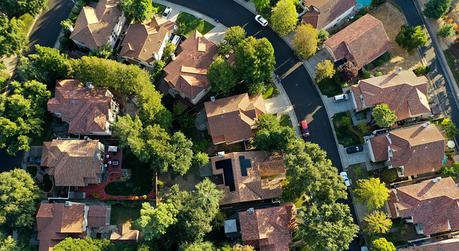
Successful examples of green infrastructure in communities include a variety of approaches at both the project and city-wide scales, often integrated to manage stormwater, enhance public spaces, and provide other environmental benefits.
Project-Based Examples
Rain Gardens and Bioretention Areas: These are shallow, engineered sunken areas planted with native shrubs and grasses that collect and filter rainwater from rooftops, sidewalks, and streets. The Unity Park rain garden in Massachusetts also serves as a drainage area for the park's water spray element, combining recreation with effective water management.
Permeable Pavements: Made of pervious concrete, porous asphalt, or permeable interlocking pavers, these surfaces allow water to soak into the ground rather than run off into storm drains. The town of West Union, Iowa, found it could save $2.5 million over the lifespan of a single parking lot by using permeable pavement instead of conventional asphalt.
Green Roofs: Covered with growing vegetation, these roofs capture rainwater and provide insulation, reducing building energy costs and mitigating the urban heat island effect. Binghamton, New York, installed a green roof on its City Hall that treats approximately 325,000 gallons of rainwater annually.
Bioswales: These are open, sloped channels with vegetation and soil that slow and filter stormwater as it flows through. The Central Park (formerly Stapleton) development in Denver, Colorado, features extensive bioswales alongside roads and parking lots to treat runoff and create green corridors.
Rainwater Harvesting: Systems like rain barrels and larger cisterns collect water from rooftops for non-potable uses like irrigation, reducing demand on municipal water supplies. A program in Portland, Oregon, that encouraged downspout disconnections has diverted an estimated 1.2 billion gallons of stormwater from the sewer system each year.
Urban Trees and Forests: Trees absorb rainwater, provide shade, and improve air quality. The Chicago Trees Initiative uses tree planting as a key part of its stormwater management strategy.
City-Wide Initiatives
Philadelphia's Green City, Clean Waters Program: This is a large-scale, city-wide initiative that uses a comprehensive network of green infrastructure to manage stormwater and prevent sewer overflows. The program is projected to save the city approximately $8 billion over 25 years compared to traditional "gray" infrastructure solutions.
Denver's Mariposa District Redevelopment: This public housing redevelopment project integrated low-impact development and green infrastructure (such as porous landscape detention in city rights-of-way) to achieve "net zero energy community" goals and protect water quality, winning a national award for smart growth achievement.
Singapore's Bishan Park: Through a process of "daylighting" a concrete channel, the city transformed the Kallang River into a meandering natural waterway within the park, enhancing habitats, improving water quality, and creating a valuable community recreational hub.
Welcome to GreenEarthNetwork.com
Thank You for Stopping By!


Hello, my name is JW, Founder & President of GreenEarthNetwork.com. What you will find on this page of my website and many other pages, are articles of informational knowledge with hard-to-find Directories, Links and Websites of anything to do with Green intelligence and the issues so that we can advise and recommend sensible strategies and solutions to address it .
Our global network, staff and I have spent countless hours putting together the intelligence contained and presented within the pages of this website.
This information is made available in a common sense and conservative manner considering the time and effort we spent gathering it so you can find most of it all in one place.
We are not here to shove any Green Agenda down your throat. We are here to present this Green information for your educational learning experience.
You are free to look it over and decide if any of the issues, subjects, strategies or solutions are suitable for you and your way of life. If it is not what you decide is suitable for you, then please move on to what it is that your searching for.
We sincerely hope this intelligence contained on these pages and the knowledge available here helps you in your success beyond your wildest dreams.
If you have any advice, comments, questions, or remarks, I would love to hear from you! Please send me an email.
Save this website as one of your favorites and come back often. This website is a work in progress, so we are constantly updating intelligence here on a regular basis. If you do not see what you are looking for, please let me know.
Please spend a moment and drop me a line or anything on your mind down below.
Thank You So Much for being here!
JW Davis
Founder & President
GreenEarthNetwork.com
Email: admin@GreenEarthNetwork.com
Double click here to add text.
